News
ALF discusses business competitiveness and the mobility of the future at the 2026 National Convention
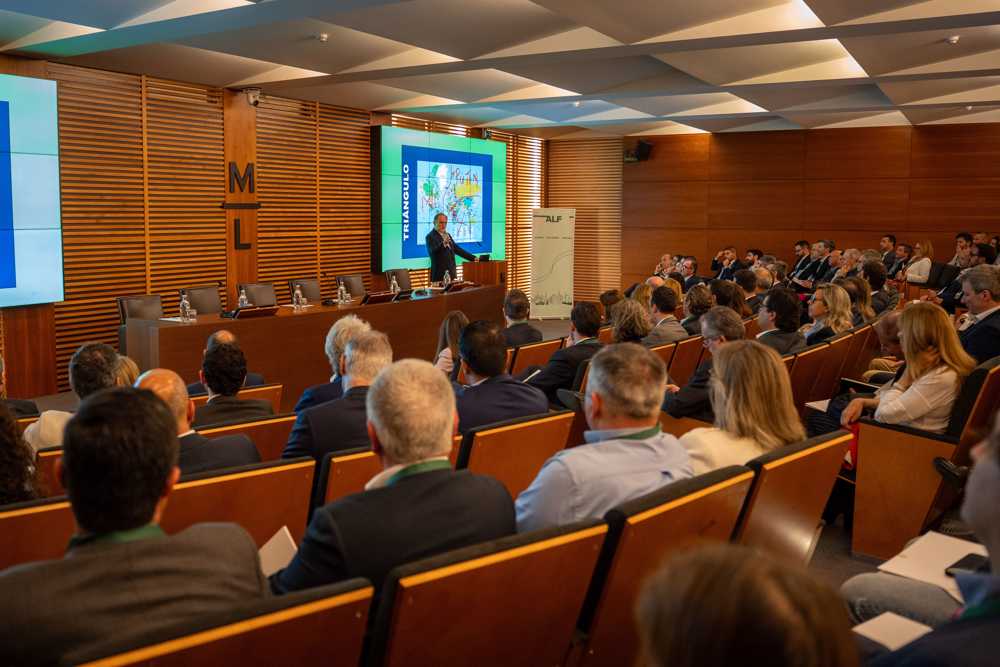
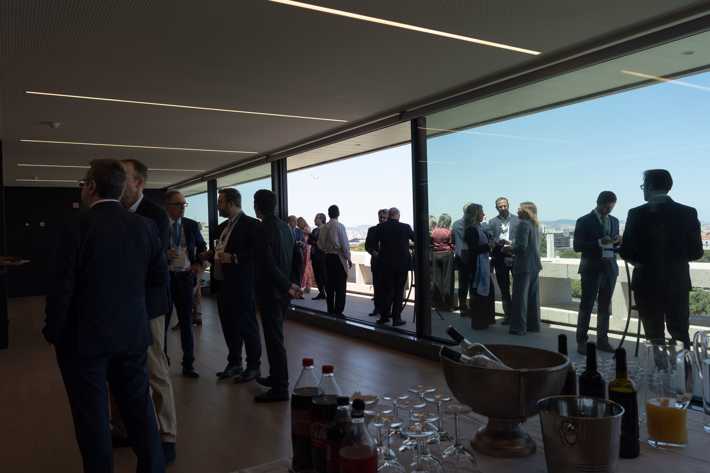
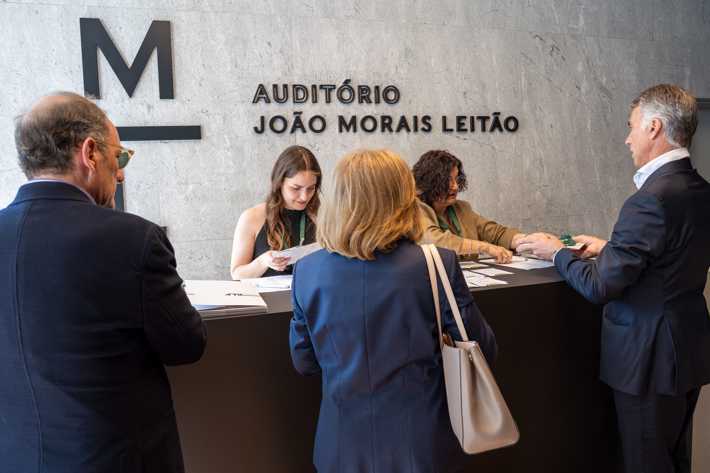
ALF – the Portuguese Association of Leasing, Factoring and Renting, the representative body for specialised financing in Portugal – brought together 130 participants, including banking leaders, representatives of business associations, mobility experts and government officials, at the 2026 National Meeting held on the 20th of May at the Morais Leitão Auditorium in Lisbon. Under the slogan ‘Investing in the Future: Leasing, Factoring and Renting’, the event discussed the challenges of global geopolitics, the competitiveness of Portuguese companies and the ongoing transformations in mobility, reaffirming the pivotal role of specialised finance in the national economy.
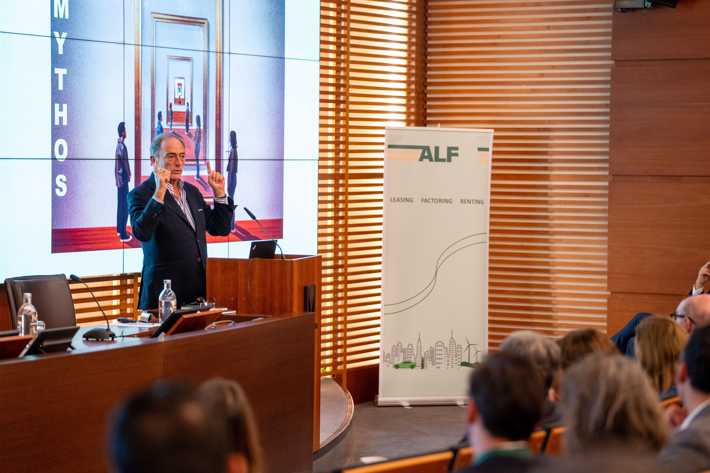
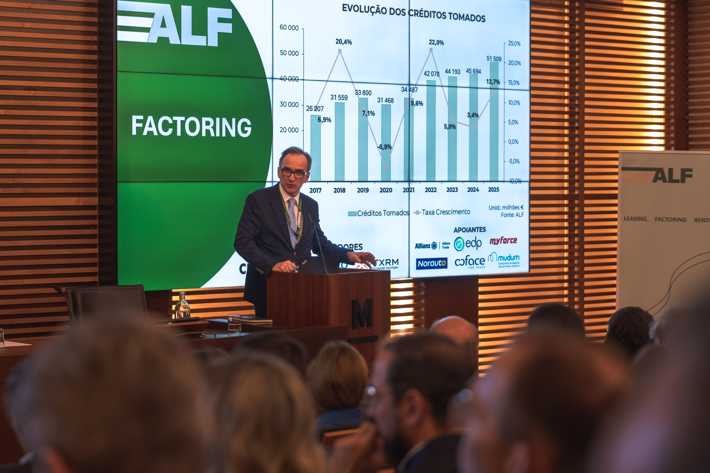
The opening session featured speeches by Luís Augusto, President of ALF, and Paulo Portas, former Deputy Prime Minister and former Minister of Foreign Affairs and Defence. Luís Augusto highlighted the sector’s results for 2025, which confirm the structural role of specialised financing in the Portuguese economy: Factoring reached a new all-time high with €51.5 billion in receivables, a 12.7% increase and a figure equivalent to over 20% of national GDP; Leasing financed investments worth €3.2 billion, with the equipment segment growing by 4%; and Renting recorded 42,332 new light vehicles contracted (+9.6%), with a total managed fleet of 146,160 vehicles, of which more than 27,000 were zero-emission – 1 in every 5 electric vehicles sold in Portugal was acquired by Renting companies. In his speech, Paulo Portas framed the current situation in the light of ongoing political conflicts and growing global geopolitical fragmentation, emphasising that international instability reinforces the need for European economies to deepen their cohesion and responsiveness.
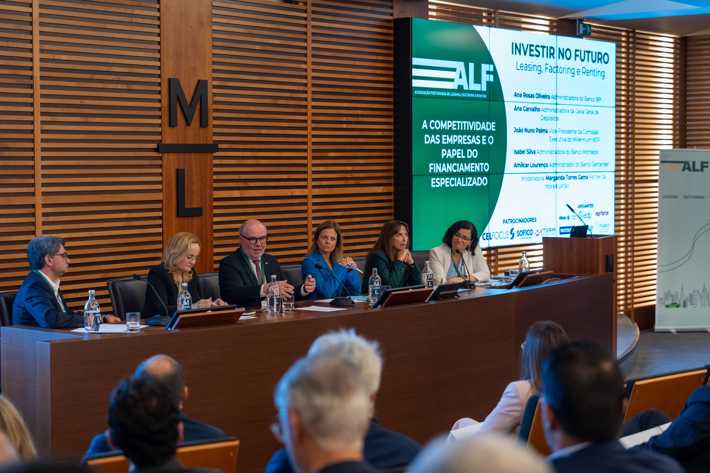
The first panel, focusing on business competitiveness and the role of specialised financing, brought together executives from leading Portuguese banks: Ana Rosas Oliveira, Board Member of Banco BPI; Ana Carvalho, Board Member of Caixa Geral de Depósitos; João Nuno Palma, Vice-Chairman of the Executive Committee of Millennium BCP; Isabel Silva, Board Member of Banco Montepio, and Amílcar Lourenço, Board Member of Banco Santander, in a discussion moderated by Margarida Torres Gama, Partner at Morais Leitão. The panel emphasised that leasing, factoring and renting are constantly evolving products, becoming increasingly sophisticated and tailored, and that their integration into companies’ technological platforms is crucial for them to act as a facilitator and driver of operational growth. The idea was also reinforced that growth does not necessarily imply increased debt, as these instruments allow for the release and optimisation of capital, with greater predictability and discipline in management. In an uncertain geopolitical context, the participants called for the sector not to freeze: on the contrary, it must support companies in continuing to invest and innovate. The long-term outlook involves increasingly integrating these solutions into business operations, in line with the digital and climate transition which, by 2030, will require the mobilisation of significant amounts of capital – a challenge that specialised financing is particularly well placed to continue supporting.
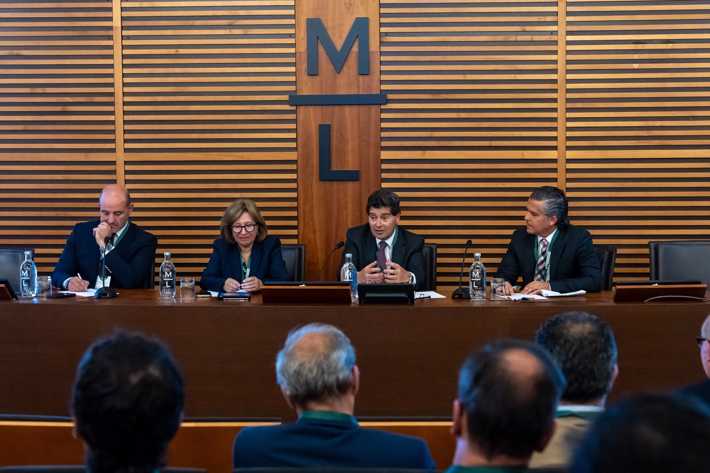
The second panel, moderated by Eduardo Maia Cadete, also a partner at Morais Leitão, focused on strategic investment and the internationalisation of Portuguese companies. Berta Dias da Cunha, President of the Portuguese-Spanish Chamber of Commerce and Industry, argued that a focus on the Iberian market is not incompatible with broader internationalisation, contending that Portugal and Spain, acting together, form a regional bloc with greater European and global significance. Gustavo Paulo Duarte, President of the Portuguese Confederation of Trade and Services, highlighted the structural barriers to the development of the Portuguese business sector, ranging from the lack of professionalisation among SMEs to the difficulties posed by bureaucratic processes, which are more time-consuming and complex than in Spain. António Ramalho, President of Lisboa Feiras, Congressos e Eventos, and with a long career in the financial sector in Portugal, emphasised the need for the country to invest in larger companies, in a competitive energy base founded on renewables, and in clusters offering a competitive advantage, particularly in the energy, telecommunications and digital infrastructure sectors, where the country occupies a privileged position at European level.
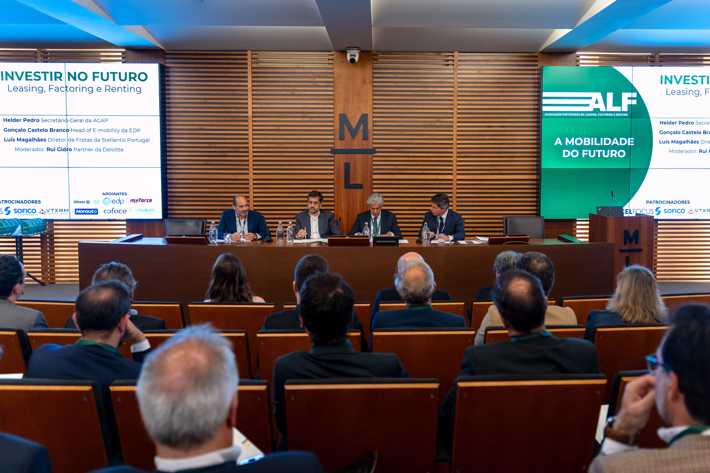
The third panel discussed “The Mobility of the Future”, moderated by Rui Gidro, a Partner at Deloitte. Helder Pedro, Secretary-General of ACAP, pointed out that Portugal is one of Europe’s leading automotive exporters and highlighted the challenges of decarbonisation by 2030, with the risk of heavy fines if targets are not met, against a backdrop of a value chain increasingly dominated by China. Gonçalo Castelo Branco, Head of E-mobility at EDP, highlighted that electric mobility is one of the most efficient ways to decarbonise a sector responsible for 25% of carbon emissions, emphasising the economic rationale for electrification throughout the vehicle’s entire life cycle. He identified home charging of company cars as one of the main operational challenges for businesses, due to the difficulty in measuring and reimbursing employees for their consumption. Luís Magalhães, Fleet Director at Stellantis Portugal, highlighted the industry’s significant investment in electrification – with over 300 electric models launched in the last year – and drew attention to the complexity of European regulations, particularly the ambiguities surrounding the classification of plug-in hybrid vehicles within green fleet targets.
The closing session was led by Gonçalo Saraiva Matias, Minister of State and Minister for State Reform, who advocated for the modernisation of the state and administrative simplification as ways of ensuring national economic sustainability, retaining and attracting talent, and boosting investment.
The National Meeting was also marked by the second edition of the ALF Specialised Finance Awards, which recognise institutions with the highest volume of production and growth across different products; 11 awards were presented, including one for leadership in electric mobility. This year, six honourable mentions were also awarded in the categories of ‘Sustainable Future’ and ‘Innovation with Impact’.
The ALF National Meeting reaffirms the conviction that Leasing, Factoring and Renting are decisive instruments for the modernisation of the Portuguese economy, supporting companies in asset management, internationalisation and the transition to more efficient and sustainable mobility models.
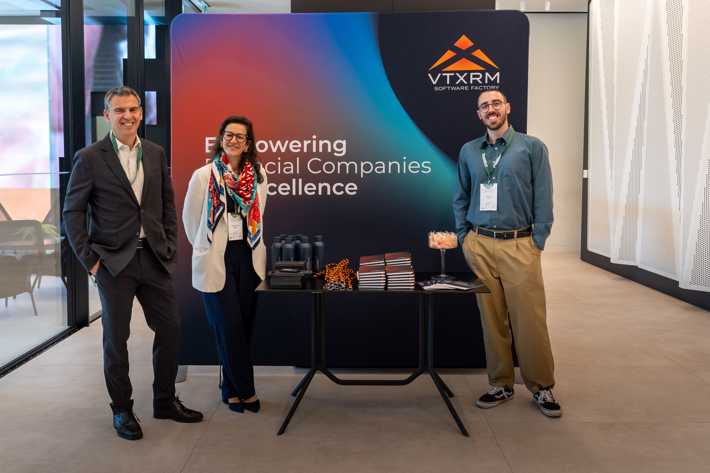
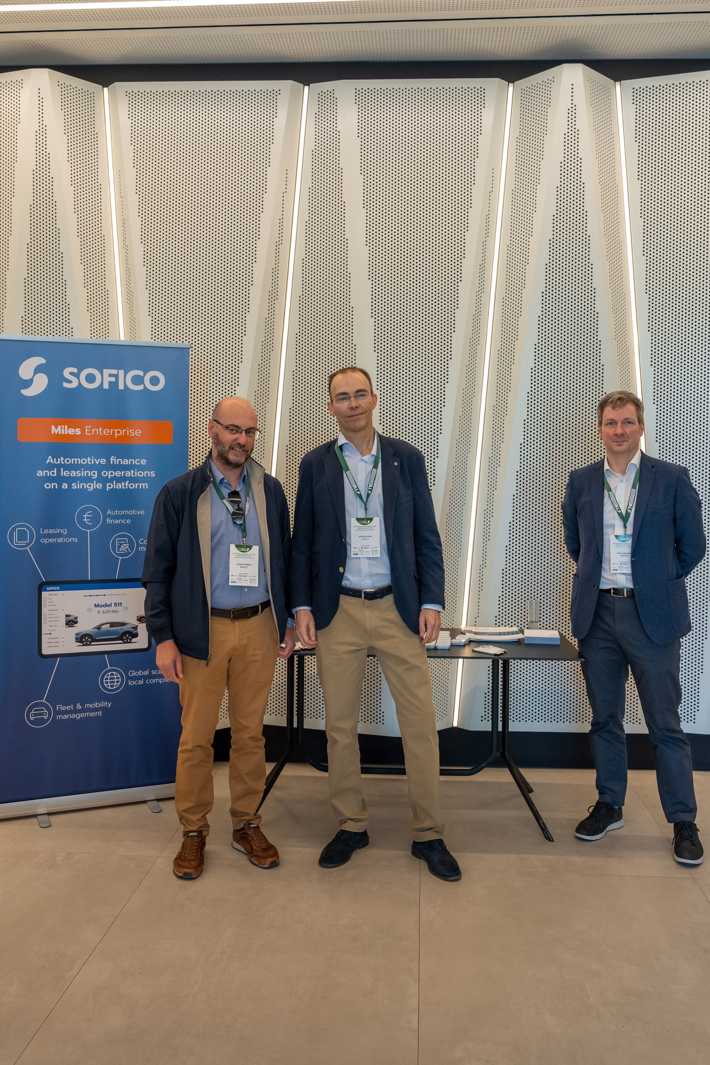
ALF would like to thank all the speakers, guests, Members and the sponsors Celfocus, Sofico and VTXRM, as well as the supporters Allianz, Coface, EDP, Mudum, MyForce and Norauto. We would also like to thank Morais Leitão for their institutional support.